
The High Cost of Entry: How Trump’s H-1B Move Could Anchor GCC Talent in India
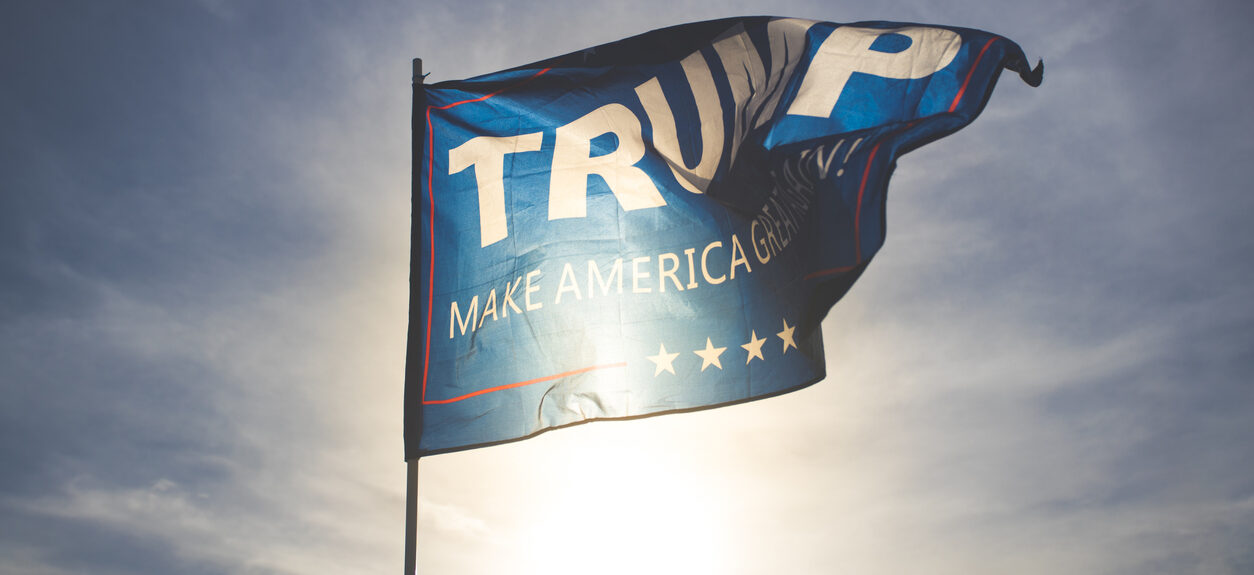
With rising US visa costs, global firms are increasingly turning to India’s GCCs for skilled talent they can no longer afford to import.


The White House’s latest move on immigration policy has sent ripples across the tech world. US President Donald Trump’s announcement of a US$100,000 annual fee for H-1B visas, effective September 2025, threatens to upend decades of talent flows between India and America. For the thousands of Indian engineers and developers who have long seen Silicon Valley as the ultimate career destination, the move could make that dream financially out of reach. But while the US may lose out on this global talent, India’s Global Capability Centre (GCC) ecosystem looks set to gain.
From Brain Drain to Brain Gain
According to the Pew Research Centre, the H-1B program was born out of the Immigration Act of 1990 to fill critical skill shortages in the US. It allowed employers to hire foreign professionals in specialty occupations – primarily STEM roles – for an initial three years, extendable up to six. Over time, the program became the backbone of America’s innovation economy, feeding Silicon Valley with engineers, data scientists, and software developers.
Indians have dominated the program since its inception. According to USCIS data cited by the Economic Times, they accounted for over 72% of all H-1B visas issued in fiscal 2023. Tech giants like Amazon, Google, Microsoft, and Infosys built entire innovation pipelines on the back of this talent. According to the job portal, H1B Grader, Amazon alone secured more than 12,000 approvals in a single year.
That talent mobility also transformed lives. For many, it provided a pathway to permanent residency, higher wages, and leadership roles in the global technology sector.
Trump’s Fee Gambit
The new US$100,000 fee alters that equation drastically. According to BBC reporting, Commerce Secretary Howard Lutnick confirmed that firms would need to pay the fee annually, potentially racking up US$600,000 over six years for a single worker. Compared to the earlier regime, where H-1B costs rarely exceeded US$10,000 in total, this is a seismic shift.
According to Reuters, the fee is positioned as a way to “protect American jobs.” Yet, industry analysts argue it will only shrink the pool of skilled migrants. For Indian professionals, the barrier is not just financial but also aspirational—many will reconsider uprooting their lives for uncertain prospects abroad.
The US risks creating a paradox: by curbing the very visas that feed its tech leadership, it may accelerate domestic skill shortages. According to Mint, policy experts have already warned that this is “America’s loss but India’s gain.”
GCCs: The Natural Safety Valve
American companies cannot afford to let the supply of Indian talent dry up. Instead, they may bring the work to India. According to KPMG, India already hosts more than 1,580 GCCs employing 1.66 million people, with the sector projected to hit US$60 billion by 2025. More than half of these centres belong to US-headquartered firms.
Once set up as cost-saving back offices, GCCs today are full-fledged innovation hubs. Microsoft’s India Development Centre, for example, handles global AI and cloud products. Google’s Bengaluru and Hyderabad centres are responsible for core engineering work. Amazon, Goldman Sachs, and Apple have all deepened their India footprints in recent years.
According to Zinnov, the reasons are clear: India offers both scale and sophistication. With a steady pipeline of STEM graduates, expanding research output, and competitive operating costs, GCCs in Bengaluru, Hyderabad, Pune, and Gurgaon have become indispensable to global enterprises.
A Reverse Diaspora in Motion
The Trump fee may accelerate what some are calling a “reverse diaspora.” According to Mint, returning or home-staying Indian professionals, who might once have left for US roles, are increasingly likely to build careers within India’s GCCs. This talent influx strengthens the depth and maturity of Indian centres, which are evolving from execution-focused units to strategic innovation engines.
Nearly half of GCCs in India plan to expand headcount in the next two years, a trend that could absorb displaced or homebound talent. As GCCs climb the value chain into areas like AI/ML, chip design, and advanced analytics, they will need exactly the skills that Indian professionals once exported through the H-1B route.
The Larger Geopolitical Context
This development fits into a broader pattern we had examined earlier in our article on how US-India and India-China trade dynamics are reshaping GCC strategies. In that context, too, shifting geopolitics was forcing multinationals to reconsider how they structure their global operations. The Trump visa fee only sharpens that calculus: if tapping Indian talent directly in the US becomes cost-prohibitive, then moving more work into India is the logical alternative.
Winners and Losers
The fallout will not be one-sided. US firms may find themselves hamstrung in the short term, struggling to meet immediate talent needs. Individual Indian professionals, particularly those aiming for the American dream, will also face disappointment. But India’s GCC ecosystem is poised for a long-term upside.
According to Nasscom and Zinnov, India could consolidate its position as the global hub for innovation-driven GCCs. For policymakers in Delhi, the challenge will be to create the right infrastructure and regulatory frameworks to harness this opportunity fully.
A Turning Point
The H-1B program has long symbolised the flow of knowledge and talent between India and the United States. Trump’s fee hike may represent the most significant rupture in that system in 35 years. Yet, where one door closes, another opens.
If history is any guide, American firms will adapt—not by abandoning Indian talent, but by embracing it closer to its source. In doing so, India’s GCC sector could stand on the cusp of its most transformative growth phase yet.