
Beyond the Binge: Why Netflix and Global GCC Giants are Betting on Hyderabad
As southern cities vie for global spotlight, Hyderabad is stepping up. From tech leaders to creators, everyone’s finding their reason to build here.


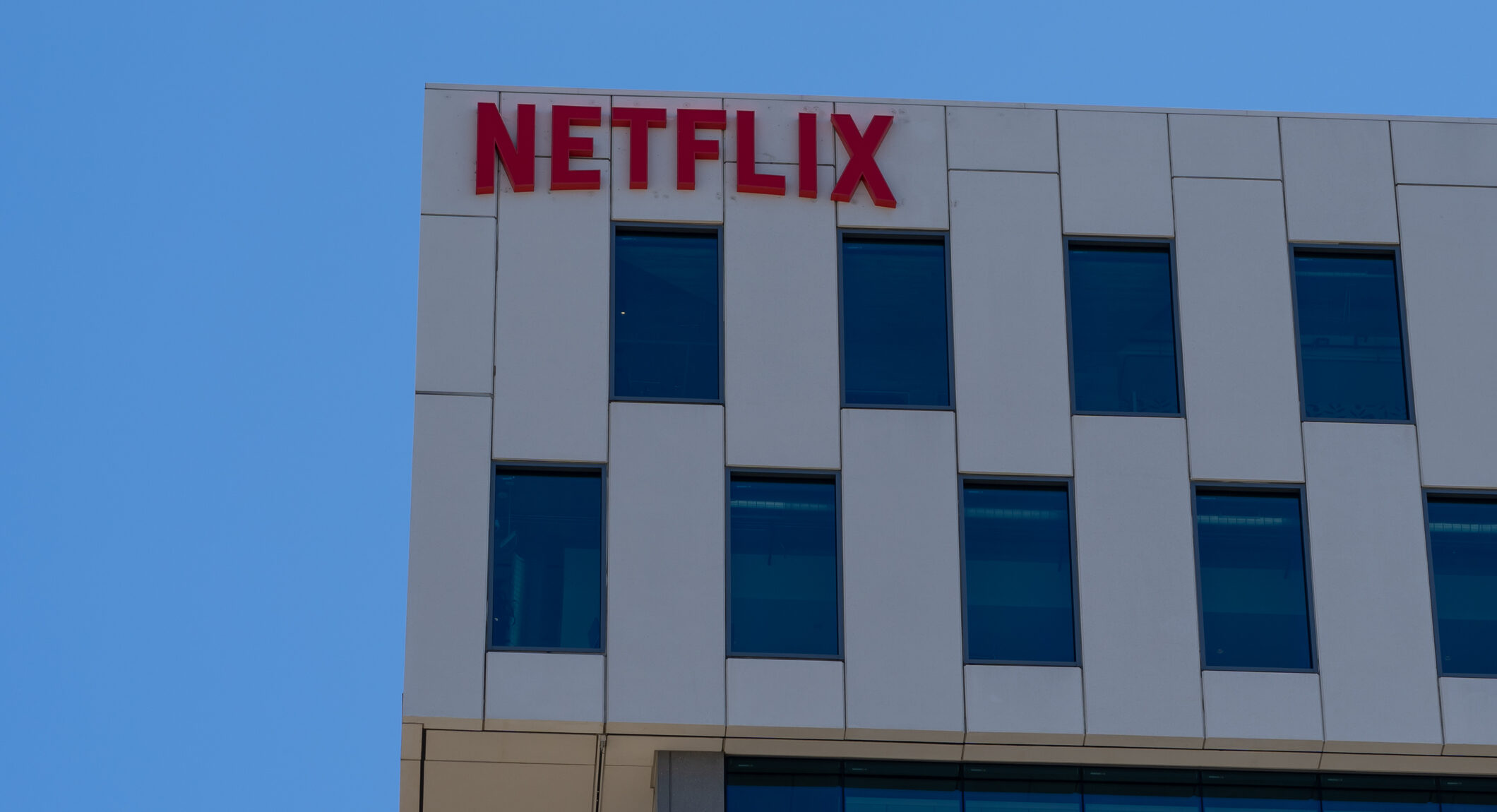
Netflix signing the lease for a 41,000-square-foot office in Hyderabad’s HITEC City this November didn’t just add another tenant to the glass-and-steel district, but also added credibility to how many Global Capacity Centre (GCC) giants have increasingly favoured the city.
According to multiple news reports, the new space at CapitaLand ITPH will host the company’s expanding local tech and content operations.
For a city that once sold itself on pearls and biryani, Hyderabad has learned to trade in bandwidth and bytes, and the world is buying.
A City in Motion
Walk through HITEC City and you’ll hear a particular kind of hum – a low, constant buzz of construction cranes, startup chatter, and language that shifts mid-sentence between Telugu, English and code. What began as an IT experiment in the late 1990s has turned into one of the fastest-growing global capability ecosystems anywhere in Asia.
According to Xpheno’s Telangana: The Next-Gen GCC Powerhouse’ Report, Hyderabad has accounted for nearly 40% of India’s new GCCs over the last three years. That’s 360 centres employing over 310,000 people – a scale once reserved for Bengaluru’s outer ring road. Xpheno notes that the city now attracts firms across sectors, from BFSI to biotech, all drawn by what can be called “the perfect trifecta — policy, price, and people.”
McDonald’s, Vanguard, Heineken, Costco – the logos now stretch from the Financial District to Gachibowli. McDonald’s 156,000 sq ft office at RMZ Nexity is its largest hub outside the United States. Vanguard’s new digital innovation centre opened the same week. Netflix’s arrival was only the most cinematic of these moves, but it captured the pattern: global names finding a local rhythm.
The Making of a Global Backstage
According to Zinnov, Hyderabad’s infrastructure was built for endurance. HITEC City, the Financial District and a web of satellite parks form a circuit of Grade-A offices with reliable power, high-speed fibre and proximity to the Rajiv Gandhi International Airport. Add in incubators like T-Hub and T-Works, which foster startups in AI, EVs and robotics, and the city feels more like a live lab than a back office.
The real enabler, though, has been governance. Telangana’s TS-iPASS single-window system, according to NASSCOM’s GCC Playbook, cut project approvals from months to weeks. This efficiency has given Hyderabad a rare reputation – one of the few cities in India where companies can move from pitch to possession within the same quarter. According to Telangana’s IT and Industries Minister, D. Sridhar Babu, the state aims to host 120 GCCs and create 120,000 jobs by 2026, backed by tax breaks and job creation incentives.
Talent Without the Chaos
According to Global Cap Centre, more than 100,000 students graduate each year from Hyderabad’s top institutions, including IIIT-H, ISB, and JNTU – feeding a steady stream of digital and analytics talent. Salaries here are 30–40% lower than Bengaluru’s, but so are the commutes and rents.
That stability is translating into real economic depth. A report from Address Advisors estimates that operating costs in Indian cities, such as Hyderabad, are 40–60% below those of comparable hubs in the US or UK. For companies juggling recession worries and relocation math, it’s a simple equation – Hyderabad stretches every dollar further.
The Netflix Moment
But Netflix’s arrival feels different. It’s not a logistics or finance hub; it’s storytelling infrastructure. According to news reports, the company plans to anchor post-production, animation and regional content work out of the city. Warner Bros. Discovery already operates in the same building, creating a rare creative-tech cluster where writers’ rooms could, quite literally, share coffee with coders.
To Hyderabad’s local ecosystem, which includes a growing community of indie production houses and VFX startups – this is validation. The streaming wars might be global, but their scaffolding is increasingly being built here.
The Fine Print of a Boom
Every boom carries its own warning labels. Industry chatter suggests a shortage of mid-to-senior talent and growing competition for workspace; JLL’s 2025 data already show record leasing levels, with Hyderabad emerging as a hub. On forums like r/developersIndia, engineers debate whether GCCs represent innovation or just a rebranded version of outsourcing.
For now, Hyderabad isn’t stopping to overanalyse its success; it’s simply watching the world catch up to what it’s been building for the past two decades.
Curtain Call
The skyline tells the story best – cranes beside mosques, data parks beside lakes. The city has always balanced contradictions; now it’s monetising them. Netflix’s lease may be only 41,000 square feet, but its symbolism looms larger. It’s proof that Hyderabad is no longer the supporting act in India’s tech narrative.
The city that once exported pearls is now exporting pixels, and it’s doing so with the same confidence that built its legacy in the first place.