
Telangana Invites Starlink to Establish Engineering Hub in Hyderabad: Reports
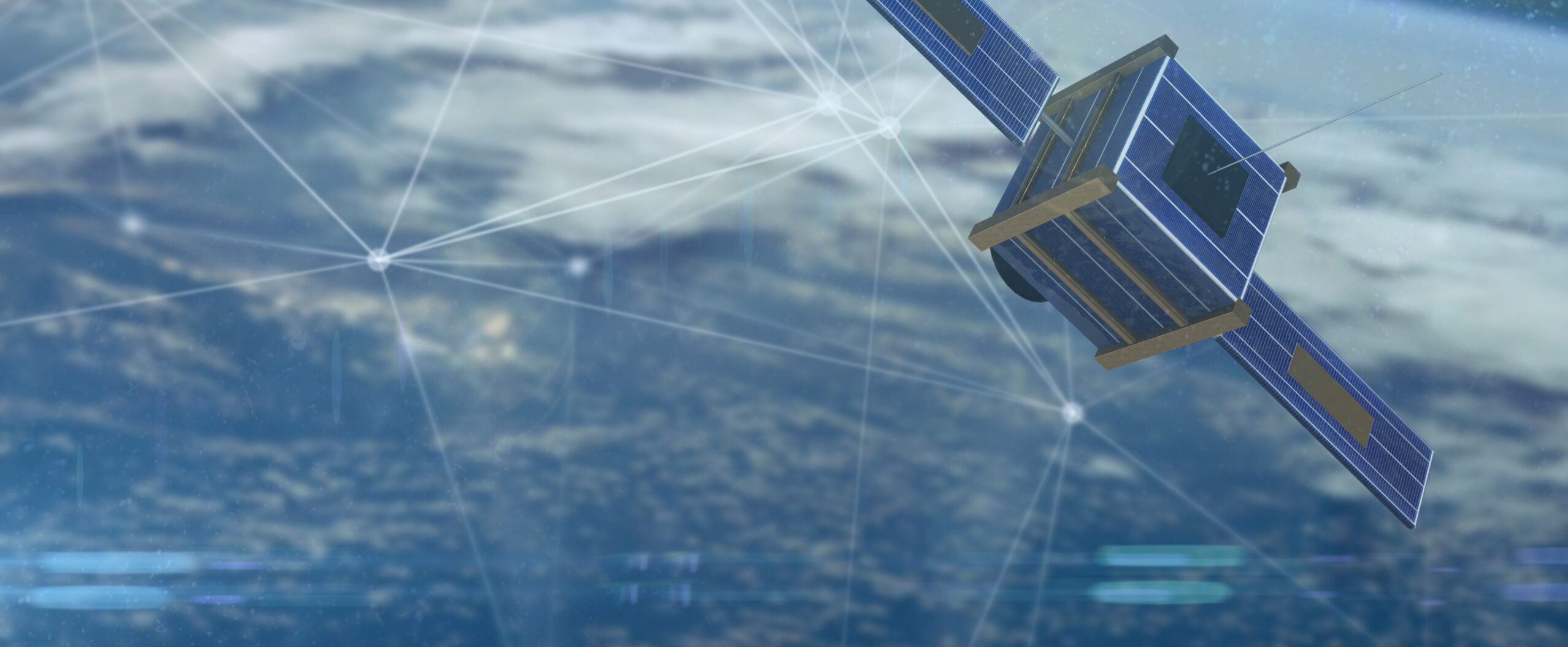
Telangana invites Elon Musk’s Starlink to set up an engineering GCC in Hyderabad, boosting the state’s reputation as a top hub for global technology investments.


The Telangana government has extended an invitation to Elon Musk’s Starlink to set up an engineering Global Capability Centre (GCC) in Hyderabad, solidifying the state’s position as a premier destination for technology investments, according to reports.
The Hindu Business Line reported that the state has encouraged the satellite internet company to consider Hyderabad as a base for its global engineering and technology operations.
The primary focus of engagement with Starlink remains centred on GCC establishment, rather than satellite connectivity services. Officials noted that with affordable 5G connectivity widely available across the state, there may not be significant consumer demand for premium-priced satellite internet services.
“We have asked them to explore the possibility of establishing their GCC in Hyderabad, which has emerged as a top destination for the GCCs in India,” a source in the State government told the Hindu Business Line.
However, satellite-based services could be more relevant for specific institutional use cases, such as banking and enterprise operations.
Telangana is also in discussions with US telecom major T-Mobile to explore the possibility of establishing a GCC in Hyderabad. The state has reportedly attracted over 75 greenfield GCCs in 2025, surpassing Karnataka as the leading destination for new GCC establishments in India, according to reports.
Meanwhile, Starlink has announced plans to lower the operating altitude of its entire satellite constellation beginning in 2026. Satellites currently operating at about 550 km will be gradually moved down to around 480 km to minimise long-term debris risks and reduce the chances of collisions as satellite launches increase globally.